
Solid hydrogen donors represent a breakthrough in molecular hydrogen delivery. By releasing H₂ in controlled or sustained amounts from solid carriers, they overcome the limitations of gas inhalation and hydrogen-rich water — offering portability, targeting, and higher hydrogen yields.
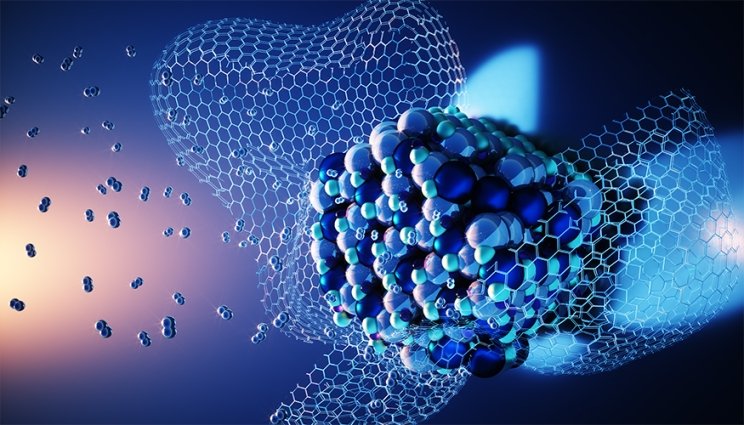
Since the wide-ranging biological activities of hydrogen were discovered, hydrogen biomedicine has been in full swing. However, common hydrogen ingestion methods — inhaling hydrogen gas and drinking hydrogen-rich water — have limitations such as insufficient convenience and lack of targeting. Solid hydrogen donors have emerged as a new hotspot in hydrogen biomedical research.
Metal-Based Solid Hydrogen Donors
Magnesium-based hydrogen donors are the most widely studied. When magnesium reacts with water, it produces hydrogen gas: Mg + 2H₂O → Mg(OH)₂ + H₂↑. Magnesium has a theoretical hydrogen production capacity of 1089 mL/g, making it the most efficient metal-based donor.
Palladium-based donors use palladium hydride (PdHx) as a hydrogen storage material, capable of releasing hydrogen at body temperature. Iron-based donors leverage the reaction of iron powder with acidic solutions, commonly used in disposable hydrogen generators for clinical applications.
Silicon-Based Solid Hydrogen Donors
Silicon-based materials produce hydrogen through reaction with water or alkaline solutions. Nano-silicon particles offer high surface area and enhanced reactivity. These donors are particularly promising for health food applications due to their biocompatibility and sustained hydrogen release profiles.
Food-Based Solid Hydrogen Donors
Coral calcium and oyster calcium-based hydrogen donors represent an emerging category. These food-grade materials can generate hydrogen in the gastrointestinal tract, providing a safe and convenient delivery method for daily health supplementation. Research shows they can maintain hydrogen release for several hours after ingestion.
Clinical Applications
- Neuroprotection — Magnesium-based donors show potential in reducing oxidative stress in neurodegenerative conditions.
- Gastrointestinal Health — Food-based donors provide localized hydrogen delivery for gut inflammation.
- Sports Recovery — Portable hydrogen generators using iron-based donors aid post-exercise recovery.
- Chronic Disease Management — Sustained hydrogen release supports long-term antioxidant therapy.
Future Outlook
The development of solid hydrogen donors is transforming molecular hydrogen from a clinical tool into a daily wellness product. With ongoing research into controlled-release mechanisms, biocompatible carriers, and targeted delivery systems, solid hydrogen technology is poised to become a cornerstone of preventive health care.
FAQ
What is a solid hydrogen donor?
A solid hydrogen donor is a material that generates molecular hydrogen (H₂) through chemical reaction, typically with water. It offers controlled, sustained release compared to gas inhalation or hydrogen-rich water.
Which type is most efficient?
Magnesium-based donors are the most efficient, with a theoretical hydrogen production capacity of 1089 mL/g — the highest among all solid hydrogen donor materials.
Are food-based hydrogen donors safe?
Yes. Coral calcium and oyster calcium-based donors use food-grade materials and have demonstrated safety in preliminary studies. They release hydrogen in the GI tract with no known adverse effects.
Ad Space · 广告位
Google AdSense — Replace with your ad code
Ad Space · 广告位
Google AdSense — Replace with your ad code