
写在前面(结论先行):外用贴膏剂行业正在同质化竞争的深渊中内卷——降价、换包装、再投流,三个动作循环了三年。但有一个方向,兼具前沿物理特性验证、品类认知空白和供应链可落地三个条件——氢敷贴。
Before we begin — the conclusion first: The topical patch industry has been trapped in a cycle of price cuts, repackaging, and ad spending for three years. But one direction checks three boxes — validated physical properties, zero category awareness, and ready-to-use supply chain: embedding solid-state hydrogen material into patches to create the hydrogen patch.
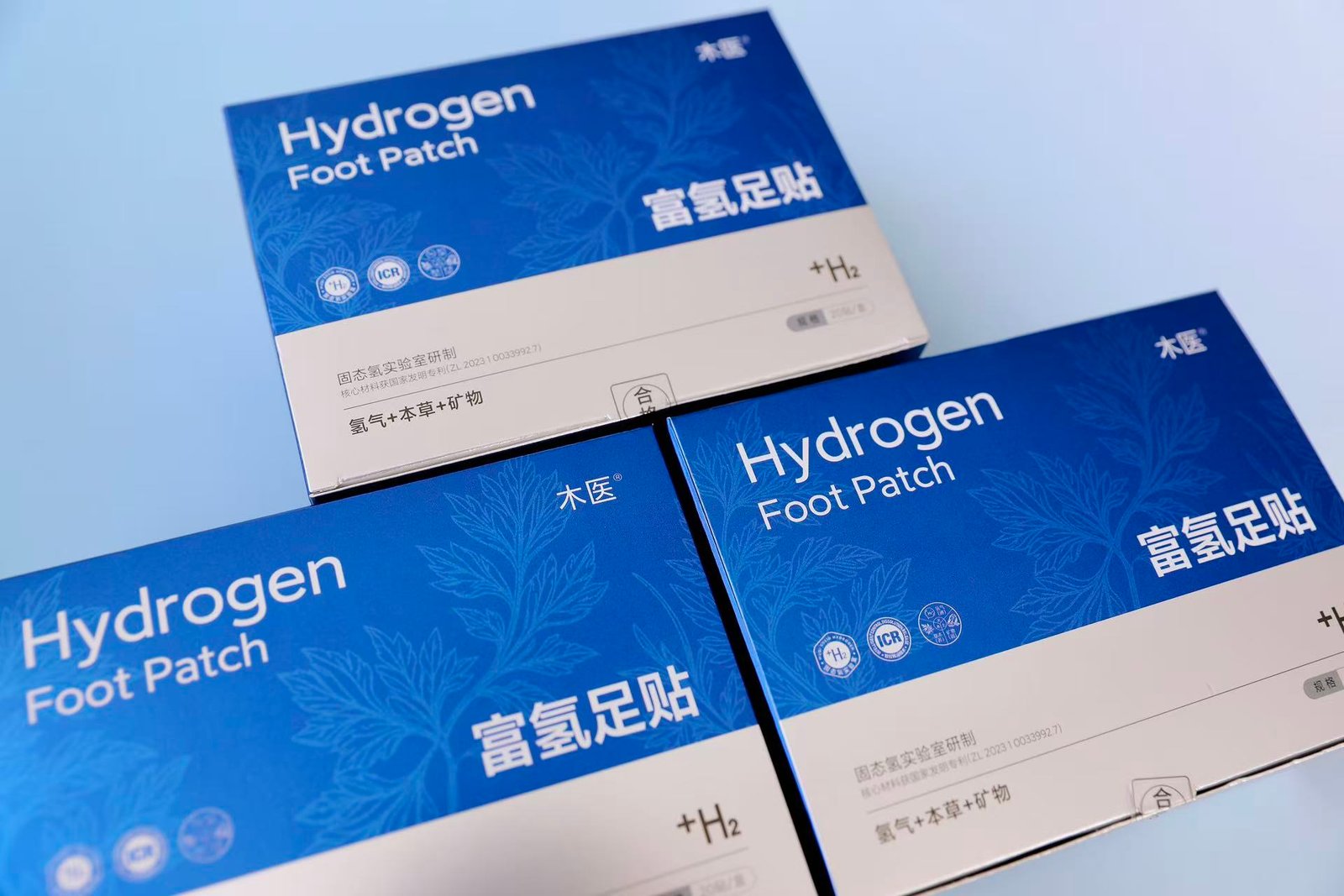
— MQ Hydrogen Foot Patch product series — from conventional patches to hydrogen patches, sharing the same production line
A ¥28.1B Market — Why the Struggle?
In 2025, China's topical patch market reached approximately ¥28.1 billion (industry estimates), with a compound annual growth rate exceeding 10%. The market is still expanding, but each of the three sub-sectors faces its own bottleneck:
| Segment | Share | Growth Status | Core Challenge |
|---|---|---|---|
| TCM Patches | ~65% | Stable existing volume | Long reformulation cycles, difficult transdermal efficiency gains, allergy concerns |
| Pharma Gel Patches | ~35% | Profitable but accelerating homogenization | Star product imitation cycle shortened to 12–18 months, prices driven below 70% |
| General Health Patches | No clear stats | ~12% annual growth | Low tech barriers, low ASP, consumers see no reason to pay more |
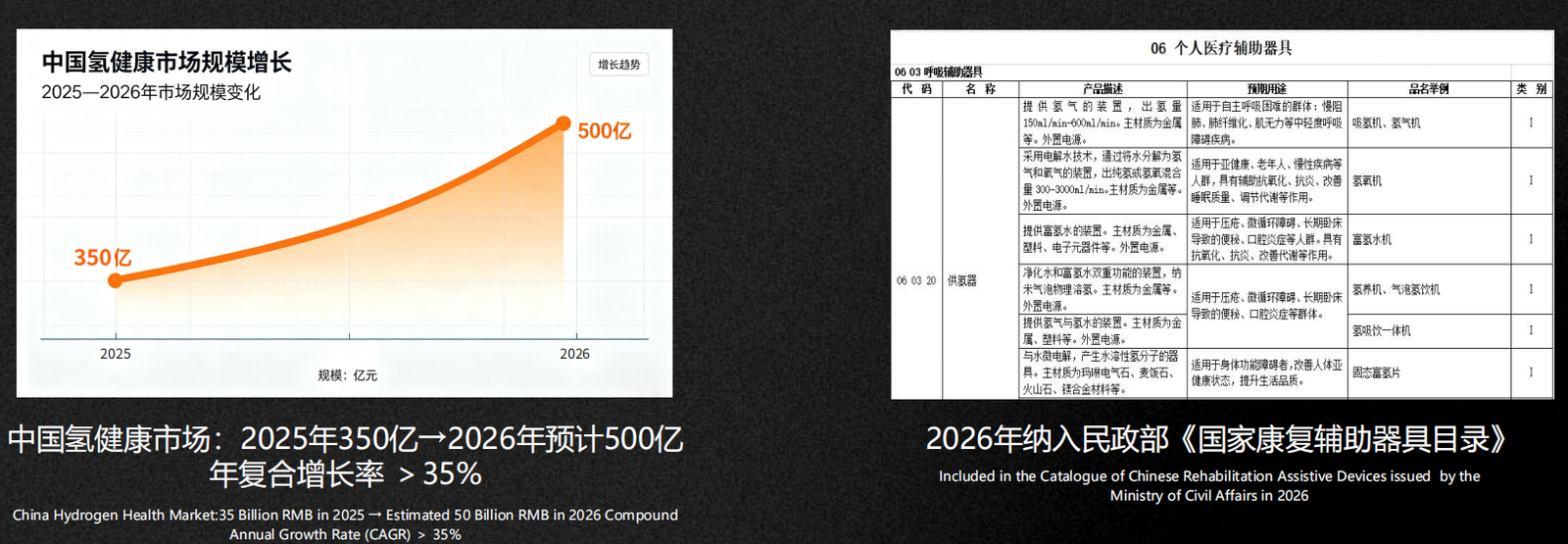
— Structural overview of the three sub-sectors in the topical patch market
This isn't a single factory's problem — it's the collective anxiety of the entire topical patch industry.
Why "Hydrogen + Patch" Deserves a Hard Look
Three dimensions converge into a structural opportunity.
Hydrogen's Transdermal Potential: A Gradually Validated Physical Property
氢分子的透皮潜力:一个被持续验证的物理特性
Hydrogen is the smallest molecule in nature — this physical property gives it天然想象空间 in transdermal delivery. In recent years, international academic journals have featured frequent research on transdermal hydrogen delivery, from microneedle patches to pressure-assisted delivery. This is not a "future concept" in papers — it's a technology direction being progressively validated by the academic community.
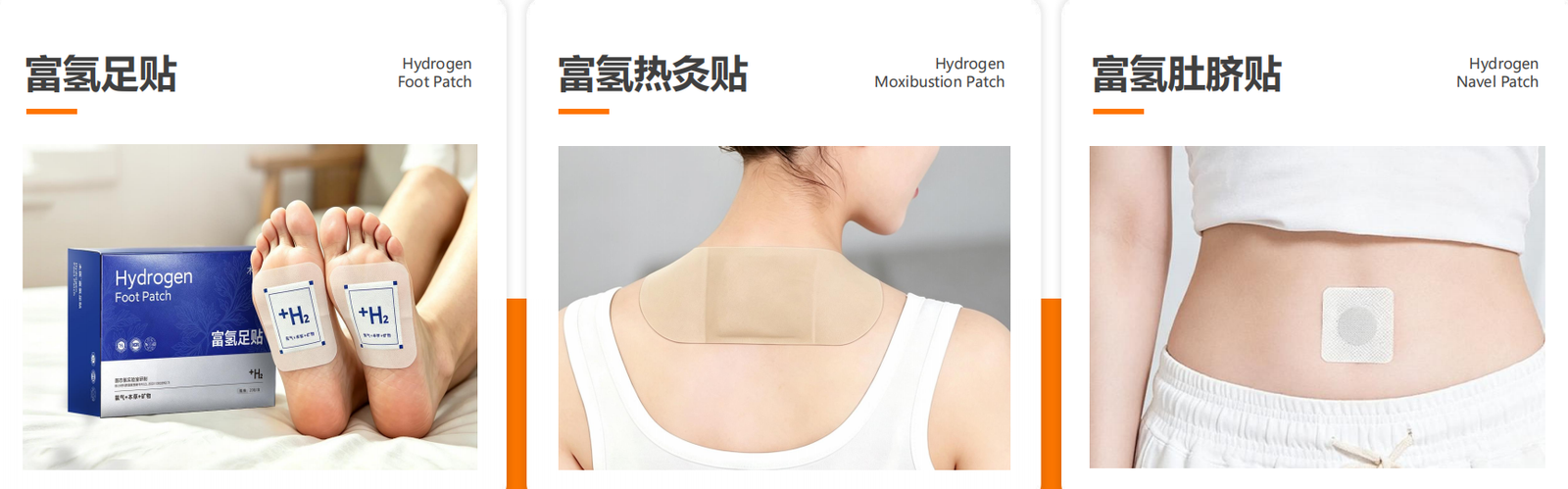
— Solid-state hydrogen carrier microscopic structure — hydrogen gas stably locked in nano-porous mineral carriers
A Near-Empty Category Window
品类认知几乎空白,窗口期已开
At the market level, keyword awareness for "hydrogen patch" is nearly zero. Category空白期 won't last long — once 2–3 brands start building channels, content, and mindshare, the cost of entry for latecomers will multiply.
Category空白 ≠ conceptual innovation — it's the supply side's delayed response. The hydrogen patch opportunity isn't about "educating consumers on a new concept" — it's about using already-industrialized solid-state hydrogen technology to add a substantive upgrade variable to a mature category.
From One-Way to Two-Way: A Category Logic Extension
Traditional foot patches have operated around the "moisture absorption & detox" positioning for three decades. This positioning sustained the market but also created structural limitations — user expectation is limited to "absorption," and repurchase motivation beyond habit lacks a sufficiently strong reason.
Introducing "hydrogen" into patches doesn't negate the old category — it creates a category logic extension:
| Dimension | Traditional Patch Logic | Hydrogen Patch Iteration |
|---|---|---|
| User Experience | Passive one-way (absorption/detox) | Active interaction (continuous hydrogen release + traditional sensation) |
| Tech Barrier | Bamboo vinegar + mineral powder adsorption | Solid-state hydrogen carrier + controlled-release process, significantly higher barrier |
| Repurchase Reason | Habit-driven, weak stickiness | New sensory anchor and expression space |
| Channel Leverage | Price competition, limited brand premium | New category positioning, window for repricing |
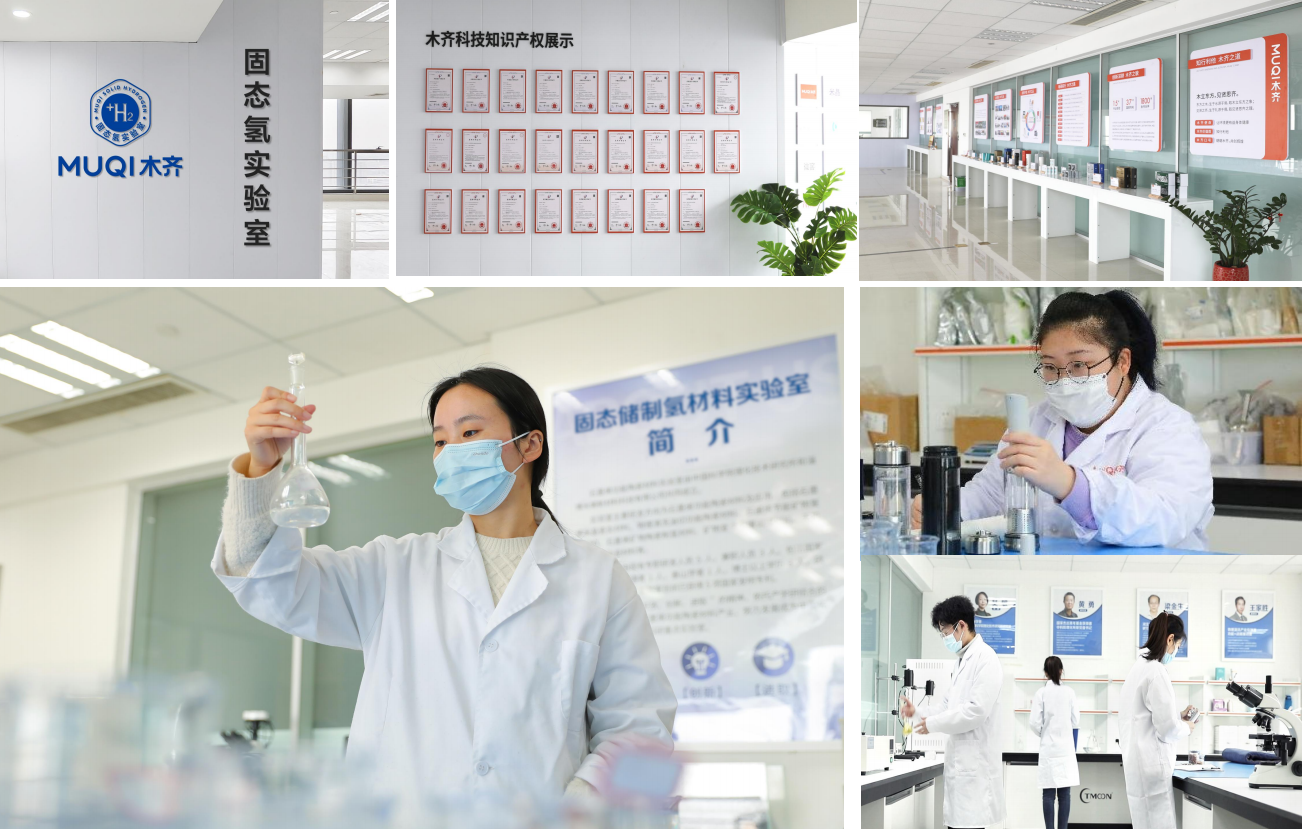
— Hydrogen patch product concept and positioning
The essence of this leap: not competing with "treatment," but redefining the market with "technology upgrade + category innovation."
Traditional patches accumulated 30 years of category awareness — this doesn't need to be torn down. The hydrogen patch direction adds a value increment on top of existing awareness, letting an "old track" grow a "new species."
Tech Is Ready: Solid-State Hydrogen, From Lab to Line
Whether a new technology can be rapidly deployed depends on three things: material stability, process reproducibility, and supply chain maturity.
Over the past two years, MQ's solid-state hydrogen lab focused on core R&D, achieving ICR Intelligent Controlled Release technology — locking hydrogen gas stably in nano-porous mineral ceramic carriers, enabling time-sequenced gradient release under specific conditions.
ICR Technology Industrialization Path
01 Solid-state hydrogen powder preparation → Nano-porous carrier搭载 hydrogen molecules, stable lock-in 02 Powder grading & formula adaptation → Adjust release curves per patch substrate, compatible with existing formulas 03 Direct production line mixing → No line changes, no new equipment — simply add at the mixing stage in proportion 04 Finished product testing & QC → Quantitative hydrogen content detection, batch consistency guaranteed
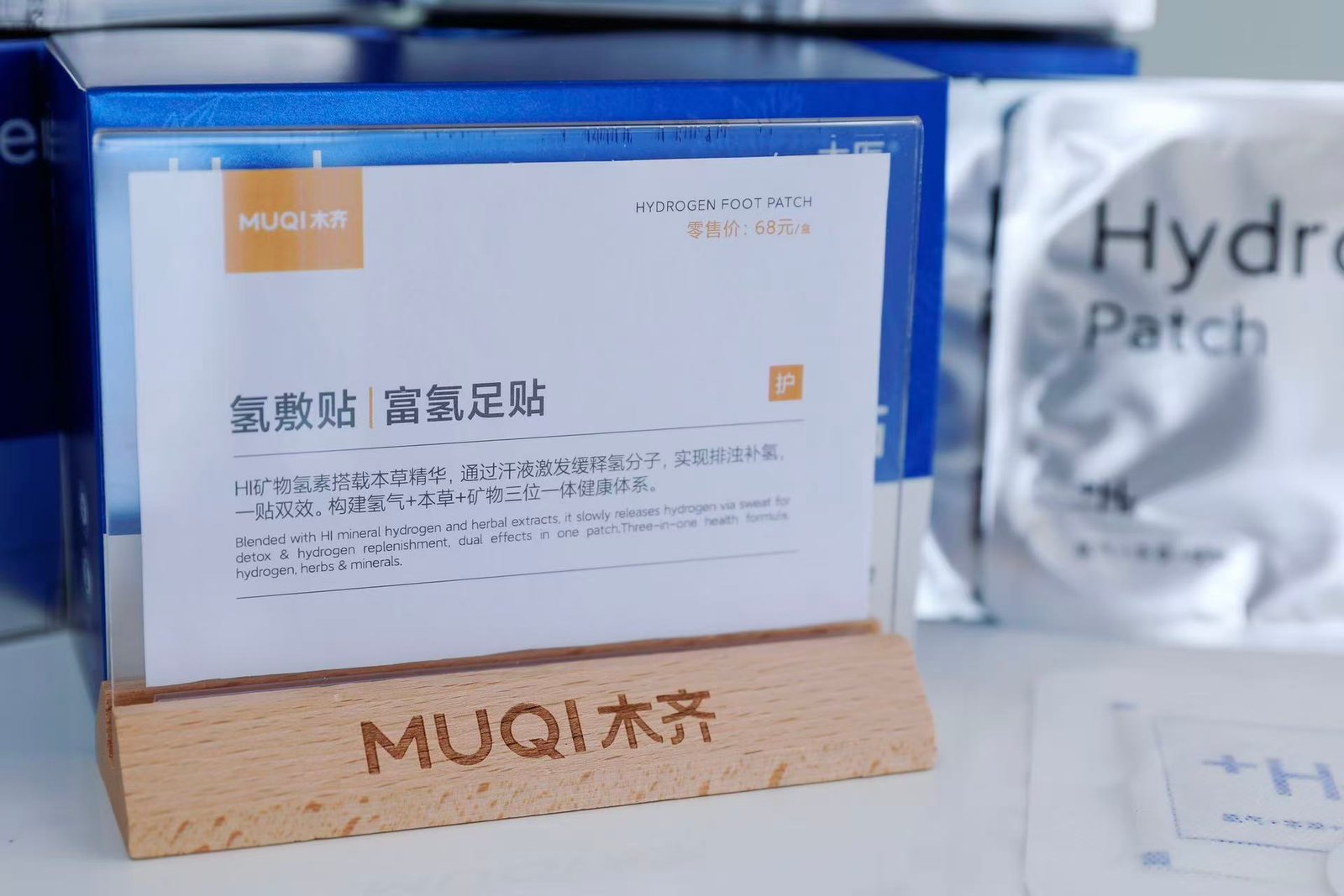
— Hydrogen foot patch product detail shots
Most patch factories care not about theory but "can my existing line use it" — the answer is yes.
The keyword is "interlayer implantation" — solid-state hydrogen material is embedded as an independent layer, without interfering with the original backing, adhesive, or release system. This is exactly why it's compatible with existing production lines.
A Practical Action Plan for Patch Makers
If you run a patch/adhesive/foot patch production line, consider "hydrogen patch" as a low-risk upgrade option:
Verify first, scale later: Use existing samples for small-batch "hydrogenation" trials; test hydrogen concentration release curves;
Let data speak: Pair with third-party test reports to turn differentiation into a verifiable selling point;
Find the right tech partner: Solid-state hydrogen material form, implantation process, and release curves are the technical core of this step.
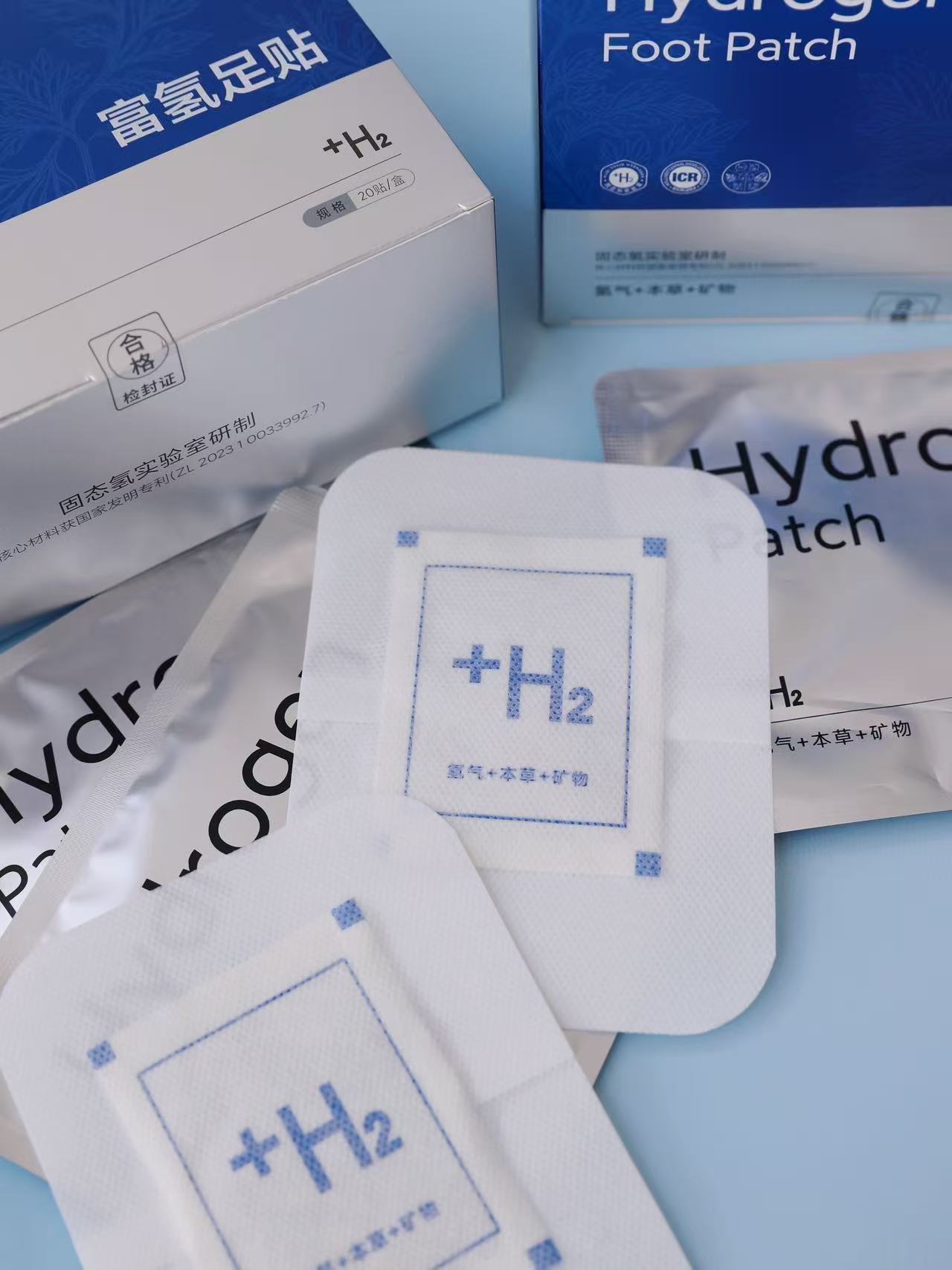
— Hydrogen foot patch product display
Based on exchanges with multiple patch factories/brands: H2 2026 is the concept validation period → 2027 will likely see the first mass-produced products → 2028 category competition heats up
Closing Thoughts
Not a new production line — just one extra "hydrogenation" step on your existing line.
A ¥28.1 billion market doesn't lack followers. What it lacks is someone brave enough to define the new category first.
One-Page Summary · 一页摘要
| Dimension | Key Takeaway |
|---|---|
| Market Size | China topical patch market ~¥28.1B (2025), >10% CAGR, but severe homogenization across segments |
| Category Opportunity | Hydrogen patches combine tech feasibility (H₂ penetration + industrialized solid-state hydrogen), category空白, and supply chain readiness |
| Tech Status | ICR technology industrially validated — no line changes, no new equipment needed |
| Window Estimate | 2026–2027 concept validation & category definition; 2028 competition intensifies |
| Action Plan | No rush for large investment — start with a validation trial, low-cost compatibility assessment |
Disclaimer: This article explores industry technology perspectives and does not constitute product efficacy claims or usage recommendations. Hydrogen-related properties cited are from public research literature for reference only. Actual product forms and applications are subject to official materials and third-party test reports.
Interested in Hydrogen Patch Technology?
Contact MQ for technical consultation, sample trials, and partnership opportunities.
Contact UsAd Space · 广告位
Google AdSense — Replace with your ad code
Ad Space · 广告位
Google AdSense — Replace with your ad code