
Hydrogen molecular medicine is an emerging interdisciplinary field exploring therapeutic applications of molecular hydrogen (H₂) through its antioxidant, anti-inflammatory, and cell-repair properties. Since 2007, global research has accelerated rapidly.
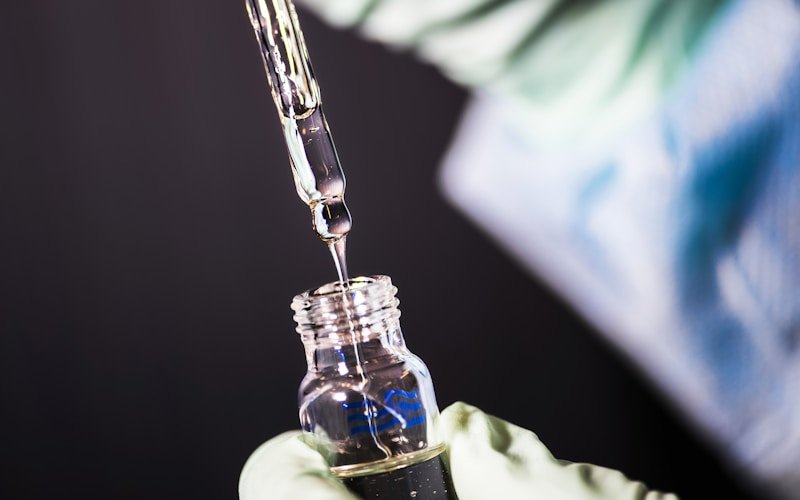
Hydrogen molecular medicine represents one of the most promising frontiers in modern healthcare. With China leading in clinical applications and industrialization, the field has evolved from basic research to practical therapeutic applications across multiple disease categories.
Core Mechanisms
1. Antioxidant Defense
Hydrogen selectively neutralizes toxic free radicals (such as hydroxyl radicals ·OH) while preserving physiological reactive oxygen species (ROS). It activates the Nrf2/ARE pathway, enhancing the body's own cellular antioxidant capacity — a dual-action approach unique to molecular hydrogen.
2. Anti-Inflammatory Regulation
Hydrogen inhibits the NF-κB inflammatory pathway, reducing levels of pro-inflammatory cytokines including IL-6 and TNF-α by 40%-60%. This broad-spectrum anti-inflammatory effect underlies hydrogen's therapeutic potential across diverse inflammatory conditions.
3. Metabolic Modulation
Molecular hydrogen promotes hepatic FGF21 secretion, improves insulin sensitivity, and has been shown to reduce prediabetes risk by 41% in clinical studies. These metabolic benefits position hydrogen as a potential intervention for metabolic syndrome.
4. Epigenetic & Cytoprotection
Hydrogen upregulates anti-apoptotic protein Bcl-2 and activates longevity-related genes through the SIRT1/FOXO pathway, contributing to cellular survival and healthy aging.
Clinical Applications
- Respiratory Diseases — Hydrogen-oxygen mixed inhalation therapy reduced severe COVID-19 progression by 58%. COPD patients showed 15% lung function improvement.
- Neurodegenerative Diseases — Alzheimer's patients showed 3.2-point MMSE improvement with daily 1-hour hydrogen inhalation. Parkinson's motor scores improved significantly.
- Cardiovascular Disease — Post-MI patients receiving hydrogen therapy showed reduced infarct size and improved cardiac function.
- Metabolic Disorders — Type 2 diabetes patients showed improved HbA1c and insulin sensitivity with hydrogen-rich water supplementation.
- Oncology — Hydrogen as adjunct therapy improved quality of life and reduced chemotherapy side effects.
Market Trajectory
The global hydrogen therapy market is experiencing exponential growth. Key drivers include aging populations, rising chronic disease prevalence, and increasing consumer demand for preventive health solutions. China's leadership in both research output and commercial applications positions it as the market's growth engine.
FAQ
When did hydrogen medicine begin?
The modern era began in 2007 when Japanese researchers published a landmark paper in Nature Medicine demonstrating hydrogen's selective antioxidant effects. Since then, over 2,000 research papers have been published.
Is hydrogen medicine approved by regulatory agencies?
Japan's Ministry of Health has approved hydrogen inhalation therapy as a medical device. China includes hydrogen-oxygen therapy in its national COVID-19 treatment guidelines. Other countries are in various stages of regulatory evaluation.
What diseases can hydrogen treat?
Research has shown therapeutic potential across 100+ conditions, with the strongest evidence in neurodegenerative diseases, metabolic disorders, cardiovascular disease, and inflammatory conditions.
Interested in Hydrogen Medicine?
Research collaboration · Clinical partnerships · Technology licensing
Contact Us →Ad Space · 广告位
Google AdSense — Replace with your ad code
Ad Space · 广告位
Google AdSense — Replace with your ad code