
Hydrogen (H₂) is a selective antioxidant with anti-inflammatory properties. Originally studied for anti-tumor applications, hydrogen has since demonstrated therapeutic potential across 100+ diseases. This article reviews the latest research in hydrogen anti-tumor therapy.
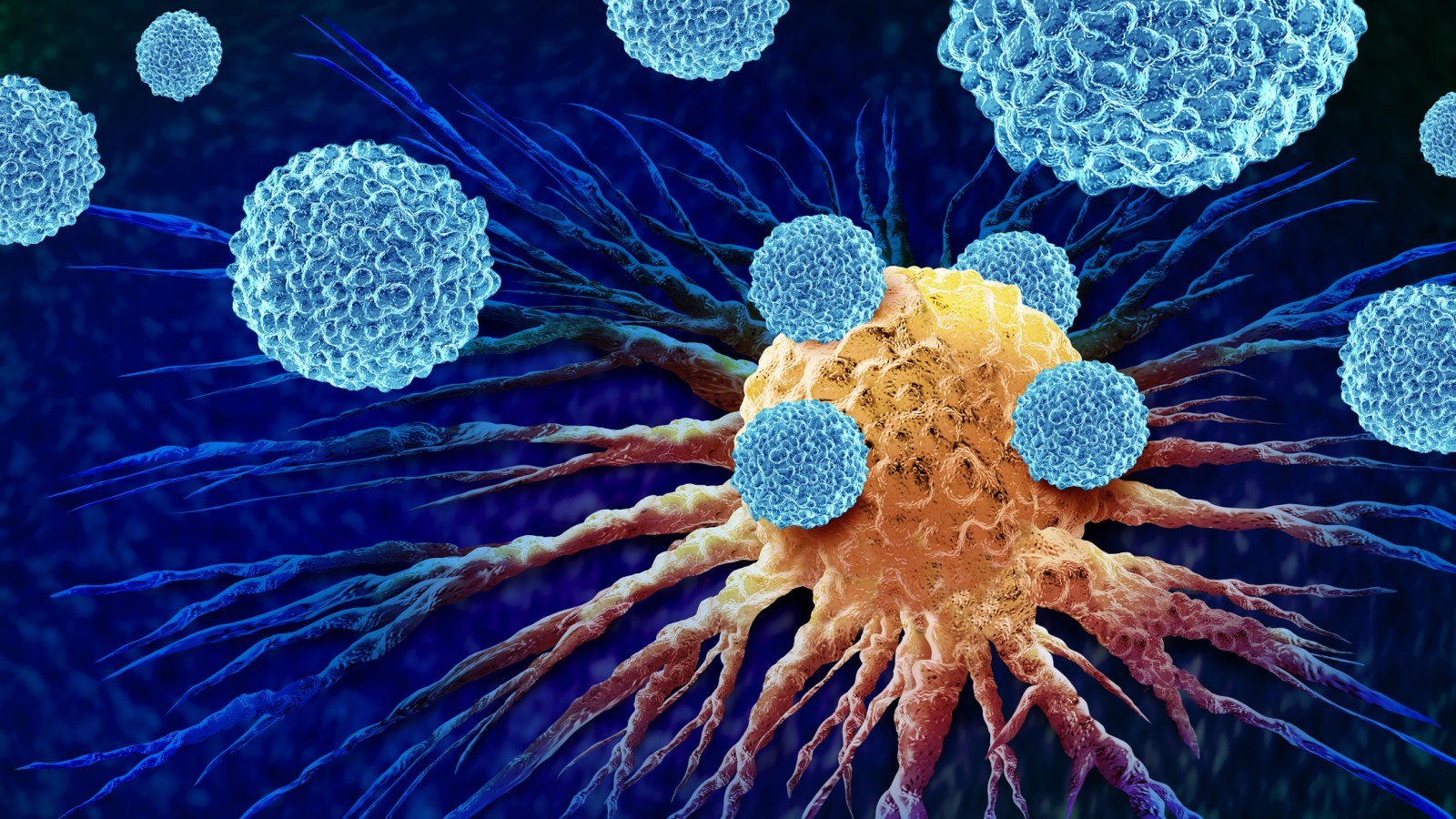
The high incidence and mortality of tumors have caused a heavy medical burden worldwide. In the short term, there is a lack of effective means to cure tumors. How to prevent tumors and prolong the survival of tumor patients is the primary goal, and hydrogen is expected to play a role in this field.
Anti-Cancer Mechanisms of Hydrogen
Hydrogen exerts its anti-tumor effects through multiple pathways:
- Selective Antioxidant — H₂ selectively neutralizes cytotoxic reactive oxygen species (ROS) such as hydroxyl radicals (·OH) and peroxynitrite (ONOO⁻), while preserving beneficial signaling ROS.
- Anti-Inflammatory — Inhibits the NF-κB pathway, reducing tumor-promoting inflammatory cytokines including IL-6, TNF-α, and IL-1β.
- Anti-Angiogenic — Suppresses VEGF expression, limiting blood supply to tumor tissue.
- Pro-Apoptotic — Activates caspase pathways and upregulates pro-apoptotic proteins in cancer cells.
- Immune Modulation — Enhances NK cell activity and T-cell-mediated anti-tumor immunity.
Synergistic and Toxic Effects
Research has revealed that hydrogen can enhance the efficacy of conventional anti-tumor therapies while reducing their side effects. In combination with chemotherapy, hydrogen has been shown to protect normal cells from drug-induced oxidative damage, improving patient tolerance and treatment outcomes.
However, certain dosage-dependent toxic effects have been observed in high-concentration hydrogen exposure studies, emphasizing the importance of controlled delivery methods.
Combination Therapy
Hydrogen-based combination therapies represent the most promising clinical direction:
- Hydrogen + Chemotherapy — Reduces chemotherapeutic side effects (nausea, neuropathy, cardiotoxicity) while maintaining anti-tumor efficacy.
- Hydrogen + Immunotherapy — Enhances PD-1/PD-L1 inhibitor response rates by modulating the tumor microenvironment.
- Hydrogen + Radiation — Protects normal tissue from radiation-induced damage through selective ROS scavenging.
- Hydrogen + Targeted Therapy — Synergistic effects observed with EGFR inhibitors and CDK4/6 inhibitors in preclinical models.
Clinical Research Progress
Several clinical trials have been registered or completed, evaluating hydrogen therapy in cancer patients. Early results show improvements in quality of life scores, reduced inflammatory markers, and enhanced treatment tolerability. The lack of reported adverse effects positions hydrogen as an ideal adjunct therapy.
Hydrogen Administration Methods
Current delivery methods include hydrogen-rich water, hydrogen gas inhalation, hydrogen-rich saline injection, and solid-state hydrogen products (tablets, patches, dressings). Solid-state hydrogen donors are gaining attention for their portability, sustained release, and targeted delivery capabilities.
FAQ
Can hydrogen cure cancer?
Hydrogen is not a standalone cure for cancer. Research shows it is most effective as an adjunct therapy — enhancing conventional treatments, reducing side effects, and improving quality of life for cancer patients.
Is hydrogen therapy safe?
Yes. Hydrogen is naturally produced by gut bacteria and has no known toxic effects at therapeutic concentrations. Multiple clinical trials have confirmed its safety profile.
What is the best way to take hydrogen?
Methods include hydrogen-rich water, gas inhalation, and solid-state hydrogen products. Solid-state hydrogen donors (tablets, patches) offer the most convenient and sustained delivery for daily use.
Interested in Hydrogen Oncology Research?
Collaborative research · Clinical trials · OEM/ODM
Contact Us →Ad Space · 广告位
Google AdSense — Replace with your ad code
Ad Space · 广告位
Google AdSense — Replace with your ad code